
50 Spanish YouTube Channels Ranked by Level: A1 to C2
We ranked 50 Spanish YouTube channels from A1 to C2 by speaking speed, accent, topic, and subtitles.
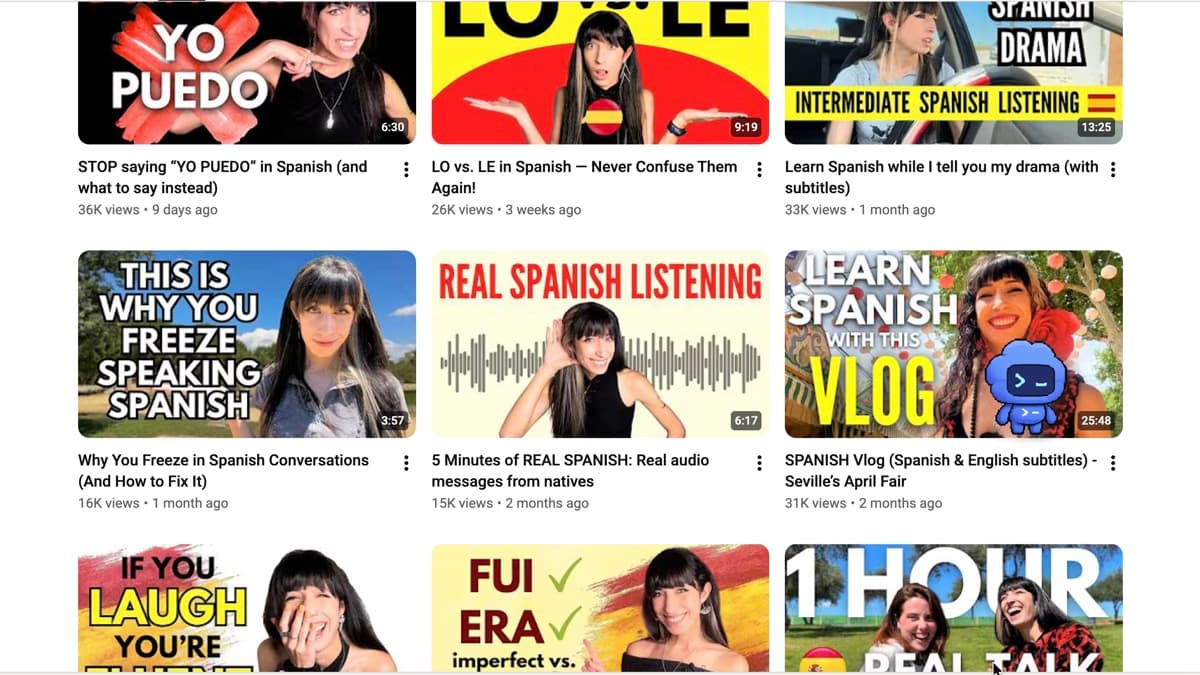
Watching YouTube in Spanish is a great way to improve your listening, but only when the content is close to your current level.
Start with something too easy and you will quickly get bored. Jump straight into fast native content and you may understand so little that you give up after five minutes.
To make that choice easier, we ranked 50 Spanish YouTube channels from beginner-friendly A1 content to fast, native-level Spanish at C2.
The ranking considers:
- Speaking speed and clarity
- Vocabulary difficulty
- Visual context
- Accent and country
- Use of slang
- Availability of Spanish subtitles
The CEFR levels are estimates, not official ratings. Difficulty can vary between videos on the same channel, particularly when a video includes interviews, technical vocabulary, or several speakers.
Best Spanish YouTube channels by level
For readers who do not want to browse all 50 yet, these are some of the best places to start.
| Your level | Recommended channels |
|---|---|
| A1 | Dreaming Spanish, Spanish After Hours, Spanish Input |
| A2 | Easy Spanish, Spanish Playground, Why Not Spanish? |
| B1 | Español con Juan, How to Spanish, Spanishland School |
| B2 | CuriosaMente, Alan x el Mundo, Un Mundo Inmenso |
| C1-C2 | Luisito Comunica, EnchufeTV, HolaSoyGerman, MoluscoTV |
50 Spanish YouTube channels ranked by difficulty
| # | Channel | Accent or region | Main topic | Level | Speed | Spanish subtitles |
|---|---|---|---|---|---|---|
| 1 | El Reino Infantil | Argentina and Latin America | Children's songs and stories | A1 | Very slow | Varies |
| 2 | Pocoyó Español Latino | Neutral Latin American dub | Preschool cartoons | A1 | Very slow | Varies |
| 3 | Dreaming Spanish | Mixed | Comprehensible input | A1 | Very slow | Often unnecessary |
| 4 | Spanish After Hours | Spain | Stories and visual explanations | A1 | Very slow | Usually available |
| 5 | Spanish Input | Mixed | Stories and listening practice | A1 | Very slow | Usually available |
| 6 | Organic Spanish | Spain | Simple stories and everyday life | A1 | Very slow | Usually available |
| 7 | Spanish with Alma | Mexico | Beginner stories and vlogs | A1-A2 | Slow | Usually available |
| 8 | Spanish Playground | Mixed Latin America | Short dialogues and everyday situations | A1-A2 | Slow | Usually available |
| 9 | Peppa Pig Español Latino | Neutral Latin American dub | Family cartoons | A2 | Slow | Varies |
| 10 | Easy Spanish | Mixed | Street interviews and conversations | A2 | Slow to medium | Excellent |
| 11 | Butterfly Spanish | Mexico | Vocabulary and pronunciation | A2 | Slow to medium | Usually available |
| 12 | Spring Spanish | Mixed Latin America | Useful phrases and situations | A2 | Slow to medium | Usually available |
| 13 | Why Not Spanish? | Colombia | Conversation and culture | A2-B1 | Medium | Usually available |
| 14 | Hola Spanish | Argentina | Expressions and conversation | A2-B1 | Medium | Usually available |
| 15 | Take It Spanish | Spain and mixed | Vlogs, role-plays and culture | A2-B1 | Medium | Often available |
| 16 | StoryLearning Spanish | Mixed | Levelled stories and culture | A2-B1 | Medium | Usually available |
| 17 | Tu escuela de español | Spain | Grammar and vocabulary | A2-B1 | Medium | Usually available |
| 18 | Español con Juan | Spain | Stories and humorous monologues | B1 | Medium | Often available |
| 19 | How to Spanish Podcast | Mexico | Culture and natural conversation | B1 | Medium | Usually available |
| 20 | Español Automático | Spain | Stories and listening practice | B1 | Medium | Varies |
| 21 | Spanishland School | Colombia | Grammar, listening and podcasts | B1 | Medium | Usually available |
| 22 | María Español | Spain | Street Spanish and explanations | B1-B2 | Medium | Usually available |
| 23 | ProfeDeELE | Spain and mixed | Grammar, culture and podcasts | B1-B2 | Medium | Varies |
| 24 | Spanish with Vicente | Spain | Vocabulary, culture and podcasts | B1-B2 | Medium | Varies |
| 25 | Erre que ELE | Spain | Colloquial Spanish and expressions | B1-B2 | Medium to fast | Usually available |
| 26 | De mi Rancho a Tu Cocina | Michoacán, Mexico | Traditional cooking | B2 | Medium | Often automatic |
| 27 | Paulina Cocina | Argentina | Cooking and lifestyle | B2 | Medium to fast | Often automatic |
| 28 | Alan x el Mundo | Mexico | Travel and documentaries | B2 | Medium to fast | Often available |
| 29 | Misias pero viajeras | Peru | Budget travel | B2 | Medium to fast | Often automatic |
| 30 | PlanetaJuan | Colombia | Travel and social documentaries | B2 | Medium to fast | Often available |
| 31 | Enrique Álex | Spain | Travel documentaries | B2 | Medium to fast | Often available |
| 32 | 31 minutos | Chile | Puppet comedy, songs and satire | B2-C1 | Medium to fast | Varies |
| 33 | CuriosaMente | Mexico | Animated science and history | B2-C1 | Medium to fast | Usually available |
| 34 | Un Mundo Inmenso | Argentina | Geography and borders | B2-C1 | Medium to fast | Usually available |
| 35 | Academia Play | Spain | Animated history and politics | B2-C1 | Medium to fast | Usually available |
| 36 | Linguriosa | Spain | Linguistics, accents and etymology | B2-C1 | Fast | Usually available |
| 37 | Ter | Spain | Architecture, art and pop culture | C1 | Fast | Often available |
| 38 | Luisito Comunica | Mexico | Travel, food and commentary | C1 | Fast | Often automatic |
| 39 | BBC News Mundo | Mixed Latin America | News and documentaries | C1 | Fast | Usually available |
| 40 | DW Español | Mixed | International news and documentaries | C1 | Fast | Usually available |
| 41 | France 24 Español | Mixed Latin America | International news | C1 | Fast | Varies |
| 42 | RTVE Noticias | Spain | News and current affairs | C1 | Fast | Usually available |
| 43 | EL PAÍS | Spain and mixed | Politics and news | C1 | Fast | Varies |
| 44 | Noticias Caracol | Colombia | Broadcast news | C1 | Fast | Varies |
| 45 | CNN en Español | Mixed Latin America | News and interviews | C1 | Fast | Varies |
| 46 | Noticias Telemundo | US Hispanic and mixed | US and Latin American news | C1 | Fast | Usually available |
| 47 | Lethal Crysis | Spain | Travel documentaries | C1 | Fast | Often available |
| 48 | EnchufeTV | Ecuador | Sketch comedy and satire | C1-C2 | Very fast | Varies |
| 49 | HolaSoyGerman | Chile | Fast comedy monologues | C1-C2 | Very fast | Often automatic |
| 50 | MoluscoTV | Puerto Rico | Interviews and entertainment | C2 | Very fast | Varies |
Subtitle availability can change between videos. Even when a channel has Spanish captions, some uploads may rely on automatically generated subtitles.
Prefer short videos?
Offscript turns native-language clips into a scrollable learning feed. You can tap unfamiliar words while watching, save them, and review them later. It feels like scrolling, but the feed is in the language you are learning.


How these Spanish YouTube channels were ranked
There is no official CEFR rating for a YouTube channel.
A single creator can publish a simple daily vlog one week and a technical interview the next. The rankings should therefore be treated as starting points rather than strict categories.
We considered six main factors:
Speaking speed: How quickly does the presenter speak, and how often do they pause?
Pronunciation clarity: Are words clearly separated, or are sounds frequently shortened?
Vocabulary: Does the channel use common everyday words or specialised terminology?
Visual context: Can you understand the subject by looking at what is happening?
Conversation style: Is there one presenter, or do several people interrupt and speak over each other?
Subtitles: Are accurate Spanish subtitles normally available?
Videos made specifically for learners usually appear earlier in the ranking. Native cooking, travel, and animated channels sit in the middle because their visuals make them easier to understand. Comedy, unscripted interviews, and regional slang appear near the end.
Best Spanish YouTube channels for beginners
Complete beginners should look for videos with clear visual context. You should be able to understand what is happening even when you do not know every word.
Dreaming Spanish
Dreaming Spanish is one of the easiest starting points for learners interested in comprehensible input.
Its beginner videos rely heavily on drawings, gestures, objects, and repetition. The aim is to help you understand Spanish directly rather than translating every sentence into English.
The channel includes speakers from several countries, which also gives learners early exposure to different accents.
Best for: A1 learners who want to start listening before they know much grammar.
Spanish After Hours
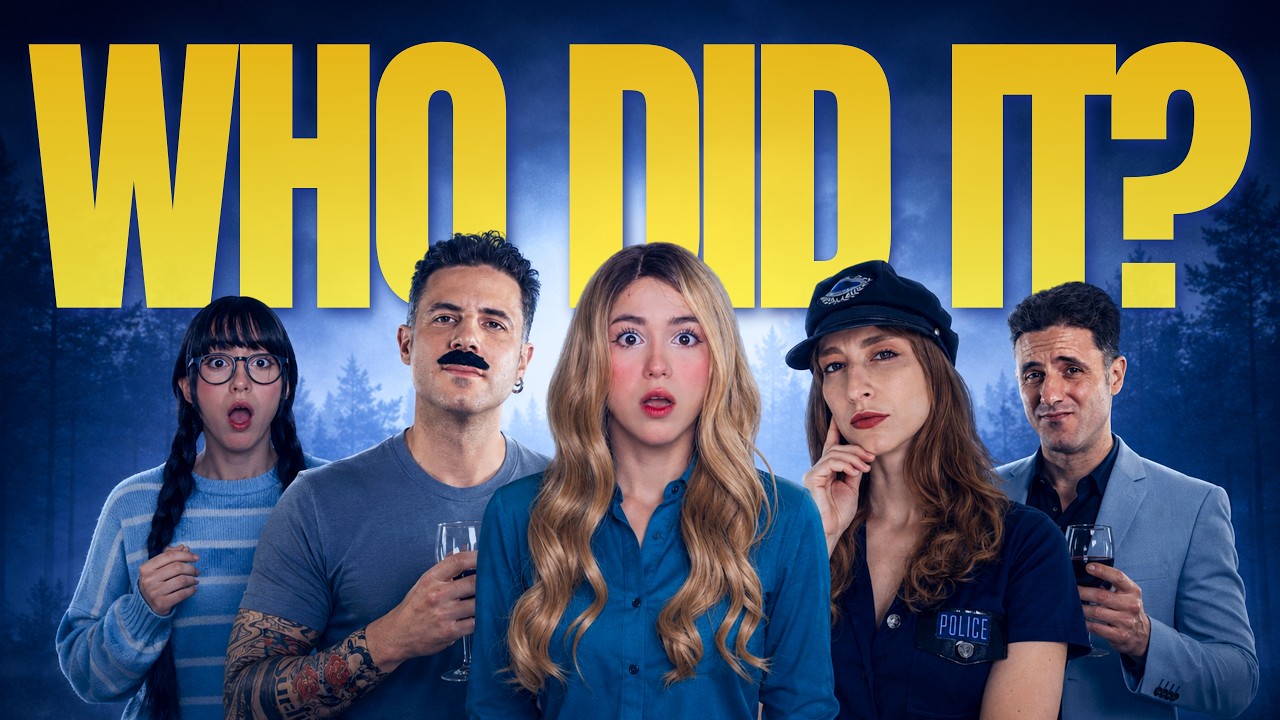
Spanish After Hours combines slow speech with drawings, stories, and visual explanations.
The videos feel more personal than a structured classroom lesson, but the language remains controlled enough for beginners to follow.
Best for: Learners who want Spanish from Spain and enjoy story-based videos.
Spanish Input
Spanish Input uses simple stories and explanations to make spoken Spanish easier to follow.
The language is slow, and most videos provide enough context to understand the main idea without pausing constantly.
Best for: Beginners looking for additional comprehensible input alongside a course or textbook.
Spanish Playground
Spanish Playground is useful because many videos show everyday situations rather than isolated grammar points.
You can watch short conversations about food, family, shopping, and daily routines, with the actions on screen helping you follow the dialogue.
Best for: A1-A2 learners who want practical conversations.
Easy Spanish
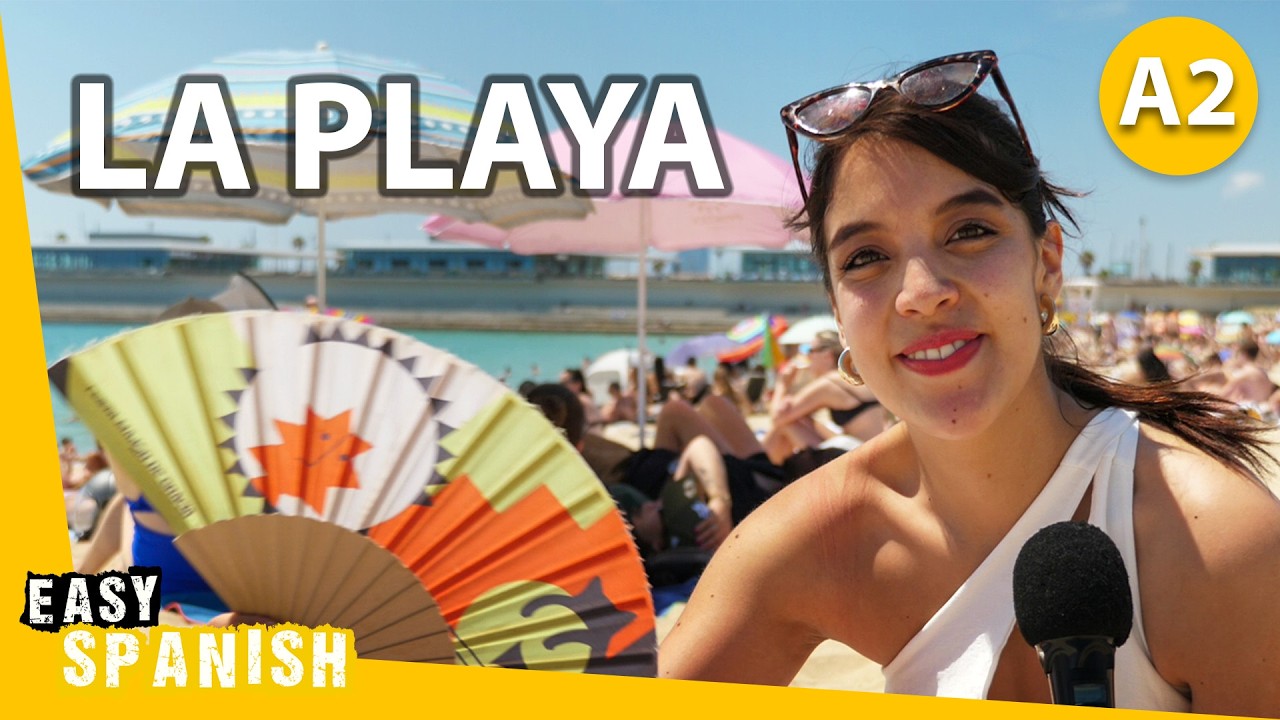
Easy Spanish is a good first step towards hearing people speak outside a studio.
The channel features street interviews with Spanish speakers from different places. Videos usually include Spanish and English subtitles, making it easier to compare what you heard with what was actually said.
Some interviewees speak quickly, so the channel may feel closer to B1 on certain videos.
Best for: A2 learners preparing for natural conversations.
Best Spanish YouTube channels for intermediate learners
The intermediate stage is where many learners get stuck.
Beginner lessons start to feel repetitive, but native content can still be difficult to follow. The best channels at this level use natural Spanish while keeping the structure clear.
Español con Juan
Juan speaks naturally, but he repeats ideas, gives examples, and provides enough context to keep learners from getting lost.
His videos often feel like stories or informal conversations rather than lessons. This makes them a good bridge into real Spanish.
Best for: B1 learners who are tired of traditional grammar videos.

How to Spanish Podcast
How to Spanish focuses on Mexican culture, expressions, and everyday topics.
The hosts speak clearly without making the conversation sound unnaturally slow. Episodes are especially useful for learners who want to become comfortable with longer discussions.
Best for: B1 learners interested in Mexican Spanish.
Spanishland School
Spanishland School covers grammar and vocabulary, but it also offers longer listening and podcast-style content.
Andrea has a clear Colombian accent, and the explanations are structured without feeling too formal.
Best for: B1 learners who still want some direct teaching alongside listening practice.
Erre que ELE
Erre que ELE introduces more informal language, natural expressions, and Spanish from Spain.
The speaking pace is faster than most learner channels, which makes it useful once slow Spanish stops feeling challenging.
Best for: B1-B2 learners preparing for native content from Spain.
Best native Spanish YouTube channels for B2 learners
At B2, you should begin spending more time with videos made for native speakers.
You may not understand every sentence, but you should be able to follow the subject and work out unfamiliar words from context.
De mi Rancho a Tu Cocina
This Mexican cooking channel is one of the most accessible forms of native content.
The host speaks while demonstrating each step, so you can connect the words to the ingredients and actions on screen. Many videos also follow a predictable structure.
Best for: B2 learners who want natural Mexican Spanish with strong visual context.
Alan x el Mundo
Alan x el Mundo makes travel videos from destinations around the world.
The videos provide plenty of visual context, and the narration is usually clear. Travel vocabulary also repeats naturally across different episodes.
Best for: B2 learners interested in Mexican Spanish, travel, and culture.

CuriosaMente
CuriosaMente creates animated explainers about science, history, psychology, and society.
The narration can be quick and the vocabulary is sometimes academic, but the animation helps explain the subject.
Best for: B2-C1 learners who enjoy educational videos.
Un Mundo Inmenso
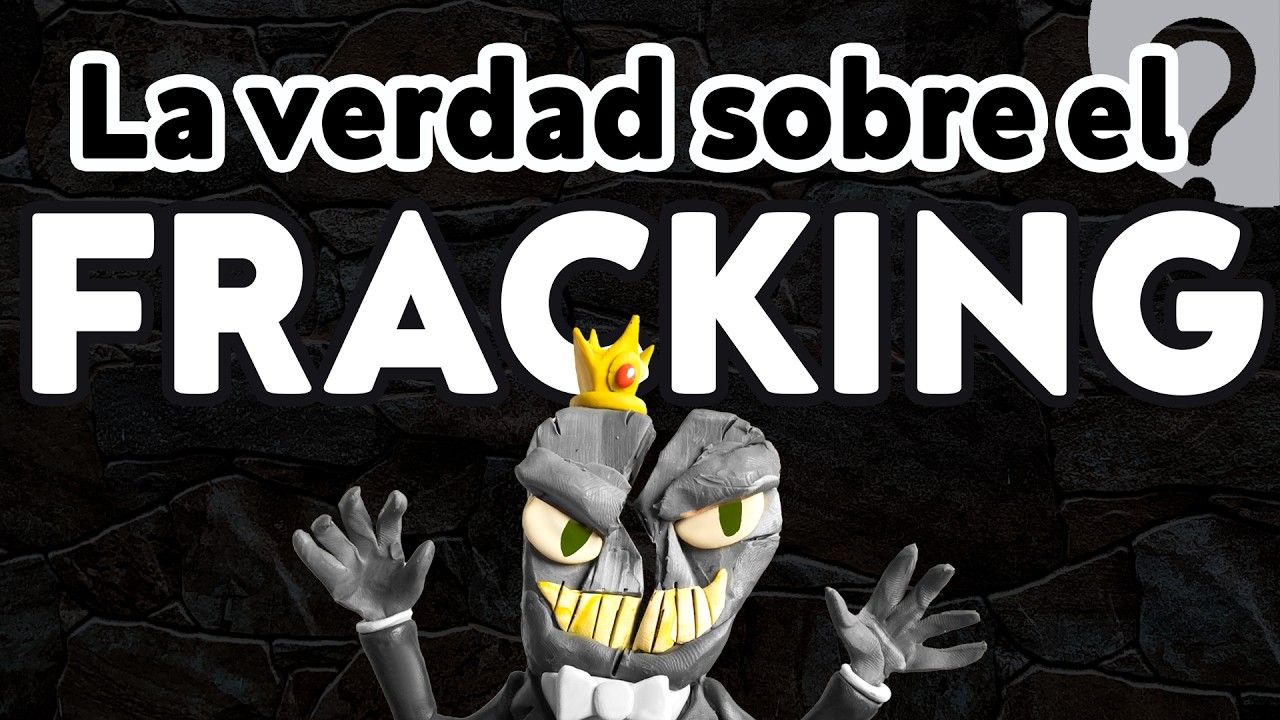
Un Mundo Inmenso covers geography, unusual borders, remote communities, and lesser-known places.
The narration is structured and generally clear, but the channel introduces a lot of place names and topic-specific vocabulary.
Best for: B2-C1 learners who enjoy geography and documentaries.
Linguriosa
Linguriosa explores the Spanish language itself, including accents, grammar, word origins, and common misconceptions.
The videos are fast and information-heavy, but the subject is particularly interesting for people who already enjoy learning languages.
Best for: Strong B2 or C1 learners interested in linguistics.
The hardest Spanish YouTube channels on this list
Understanding newsreaders is not always the final test of Spanish listening.
News presenters usually speak clearly and follow a predictable structure. Comedy, group conversations, and informal interviews can be much harder because they include slang, interruptions, cultural references, and changes in speaking speed.
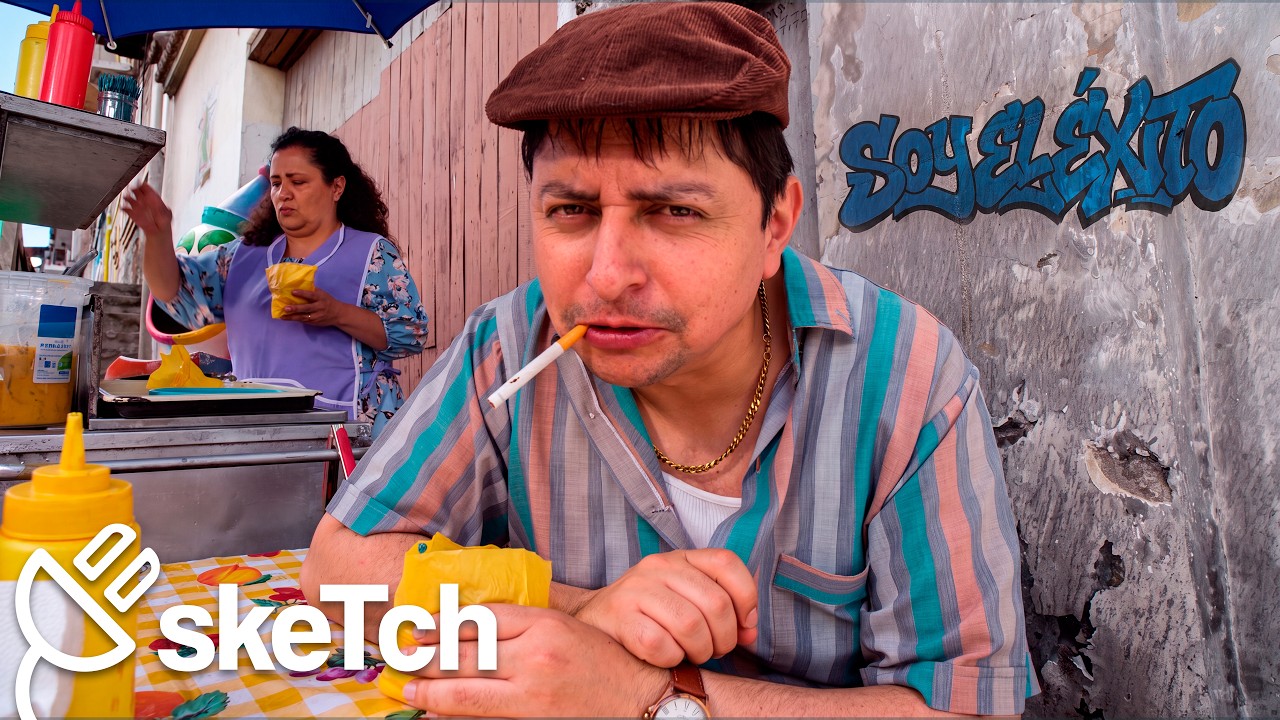
EnchufeTV
EnchufeTV produces comedy sketches from Ecuador.
The characters speak quickly, jokes depend on timing, and some scenes use regional slang. Understanding the words is only part of the challenge. You also need enough cultural knowledge to understand why the situation is funny.
Best for: C1-C2 learners comfortable with informal Latin American Spanish.
HolaSoyGerman
HolaSoyGerman became popular through fast comedy monologues about everyday situations.
The delivery is extremely quick, with frequent changes in tone and character. The speed makes the channel challenging even when the vocabulary itself is not especially advanced.
Best for: Advanced learners who want a listening-speed challenge.
MoluscoTV
MoluscoTV features Puerto Rican interviews, entertainment, and informal discussions.
Caribbean Spanish often includes sound reduction, local slang, and a fast conversational rhythm. Interviews may also contain several people speaking over each other.
Best for: C2 learners who want to become more comfortable with Caribbean Spanish.
Spanish YouTube channels by accent
Choosing one accent can help at the beginning, but you do not need to avoid every other variety of Spanish.
Spanish speakers from different countries understand one another, and advanced learners eventually need experience with more than one accent.
Spanish from Spain
Try:
- Spanish After Hours
- Organic Spanish
- Tu escuela de español
- Español con Juan
- María Español
- Spanish with Vicente
- Academia Play
- Linguriosa
- RTVE Noticias
- Lethal Crysis
Spanish from Spain often uses the pronoun vosotros for informal groups. In much of Spain, the letters z and soft c are also pronounced differently from s.
Mexican Spanish
Try:
- Spanish with Alma
- Butterfly Spanish
- How to Spanish Podcast
- De mi Rancho a Tu Cocina
- Alan x el Mundo
- CuriosaMente
- Luisito Comunica
Mexico produces a huge amount of Spanish-language media, so learners have plenty of options across different levels and topics.
Colombian Spanish
Try:
- Why Not Spanish?
- Spanishland School
- PlanetaJuan
- Noticias Caracol
Colombian accents vary by region, but learner materials often feature speakers from Bogotá because their pronunciation is widely considered clear.
Argentinian Spanish
Try:
- El Reino Infantil
- Hola Spanish
- Paulina Cocina
- Un Mundo Inmenso
Argentinian Spanish is known for using vos instead of tú in everyday speech. The pronunciation of words containing ll and y may also sound different from other varieties.
Chilean Spanish
Try:
- 31 minutos
- HolaSoyGerman
Chilean Spanish can be difficult for learners because everyday speech is often fast and includes a lot of local vocabulary.
Caribbean Spanish
Try:
- MoluscoTV
Caribbean varieties may initially sound difficult because speakers often shorten sounds in casual conversation. Once you become familiar with these patterns, they become much easier to recognise.
How to learn Spanish with YouTube
Watching more content helps, but watching passively is not always enough.
A simple routine works better than pausing every few seconds to translate individual words.
1. Create a separate YouTube account for Spanish
Before you start, create a new YouTube account that you use only for Spanish.
This keeps your Spanish recommendations separate from your normal watch history. It also helps YouTube learn what you want much faster: Spanish videos, Spanish-speaking creators, and topics you actually like.
Use that account to watch, like, save, and subscribe only in Spanish. After a few sessions, your home feed should start becoming a Spanish-learning input source instead of a mixed feed that pulls you back into your usual habits.
2. Choose a video close to your level
You do not need to understand every sentence.
A good starting point is content where you can follow the main topic and understand a reasonable amount without translating everything.
When you understand almost nothing, move down a level or choose a video with stronger visual context.
3. Watch once without pausing
Focus on the main idea.
Who is speaking? What are they doing? What is the video trying to explain?
Do not interrupt the first viewing every time you hear an unfamiliar word.
4. Watch again with Spanish subtitles
Spanish subtitles help you connect spoken sounds with written words.
English subtitles can be useful for checking meaning, but they often cause you to stop listening to the Spanish.
5. Save only useful words
You do not need to learn every unfamiliar word in a video.
Focus on words that:
- Appear more than once
- Seem useful in daily life
- Help you understand the main idea
- Relate to subjects you often discuss
6. Return to the words later
Looking up a word once does not mean you have learned it.
Reviewing saved words later, preferably inside a new sentence or video, makes them more likely to stick.
This is one reason we built Offscript. You can watch short native-language clips, tap words without leaving the video, and review the vocabulary you save afterward.
Frequently asked questions
Which Spanish YouTube channel is best for beginners?
Dreaming Spanish is one of the easiest starting points for complete beginners because its videos use gestures, drawings, and visual context.
Spanish After Hours and Spanish Input are also good choices for A1 learners.
For young learners, or adults who do not mind children's content, Pocoyó and Peppa Pig use repetitive everyday vocabulary.
Can you learn Spanish by watching YouTube?
YouTube can significantly improve your listening, vocabulary, and familiarity with natural speech.
It works best as part of a broader routine that also includes speaking, reading, and some form of vocabulary review.
Beginners should choose comprehensible content rather than jumping immediately into fast native videos.
Should I watch Spanish videos with English or Spanish subtitles?
Spanish subtitles are usually better for listening practice because they help you connect pronunciation with spelling.
English subtitles can help when a video is too difficult, but it is easy to spend the entire video reading English and ignoring the Spanish audio.
A useful approach is to watch once without subtitles, then watch again with Spanish subtitles.
What level do I need to watch native Spanish YouTube?
Many learners can begin watching carefully chosen native content around B1 or B2.
Cooking, travel, and visual documentaries are easier starting points because the images help explain what is being said.
Comedy, podcasts, and informal group conversations often require C1-level listening skills.
Which Spanish accent is easiest to understand?
There is no single accent that is easiest for every learner.
Clear, slower speakers from Mexico, Colombia, and central Spain are common in learner materials. Familiarity matters more than nationality. An accent that initially sounds difficult usually becomes easier after regular exposure.
Is it better to follow one channel or many?
Following one or two channels consistently helps you become familiar with a speaker's voice, vocabulary, and accent.
Once those channels feel comfortable, add new creators from different countries and topics. This prevents your listening ability from becoming too dependent on one person.
Where should you start?
Choose one channel from your current level and watch three videos before deciding whether it is right for you.
A single difficult video does not always represent the whole channel. Try a few topics, and move up only when you can comfortably follow the main idea.
For a straightforward progression:
- Start with Dreaming Spanish or Spanish After Hours.
- Move to Easy Spanish or Why Not Spanish?
- Continue with Español con Juan or How to Spanish.
- Try CuriosaMente or Alan x el Mundo.
- Challenge yourself with Luisito Comunica, EnchufeTV, or MoluscoTV.
You do not need to understand every word before moving forward. The goal is to find content that is difficult enough to teach you something, but understandable enough that you still want to keep watching.
Turn Spanish scrolling into Spanish practice
Offscript gives you a feed of short videos in the language you are learning. Tap unfamiliar words while watching, save them, and review them later, without breaking the flow of the video.
Last updated: August 2026. Channel content, subtitle availability, and YouTube handles may change over time.